Ever stood in a sun-drenched Seville market, holding heirloom tomatoes so fragrant they smelled like summer—and then completely botched their pan-sear back in your rental kitchen? Yeah. Me too. I once charred three pounds of fresh padrón peppers into bitter, ash-gray regrets because I ignored one simple truth: how to cook mediterranean vegetables isn’t about heat control alone—it’s about timing, tradition, and knowing when *not* to stir.
If you’re following a Mediterranean diet while traveling Spain—or simply craving vibrant, nutrient-rich meals that honor regional integrity—you need more than generic “roast at 400°F” advice. This guide is born from real stumbles in Andalusian apartments, tapas bar apprenticeships, and conversations with chefs in Valencia’s Central Market. You’ll learn how to coax deep sweetness from eggplant without excess oil, revive wilted greens the Catalan way, and avoid the #1 mistake that turns vibrant ratatouille into sad mush. Let’s get cooking—with respect, simplicity, and zero food waste.
Table of Contents
- Why Cooking Mediterranean Vegetables Correctly Matters for Weight Loss & Longevity
- A Step-by-Step Guide to Prepping and Cooking Mediterranean Vegetables
- 5 Best Practices for Authentic, Healthy Results
- Real Results: How a Barcelona Nutritionist Transformed Her Clients’ Plate Patterns
- Frequently Asked Questions About Mediterranean Vegetable Preparation
Why Cooking Mediterranean Vegetables Correctly Matters for Weight Loss & Longevity
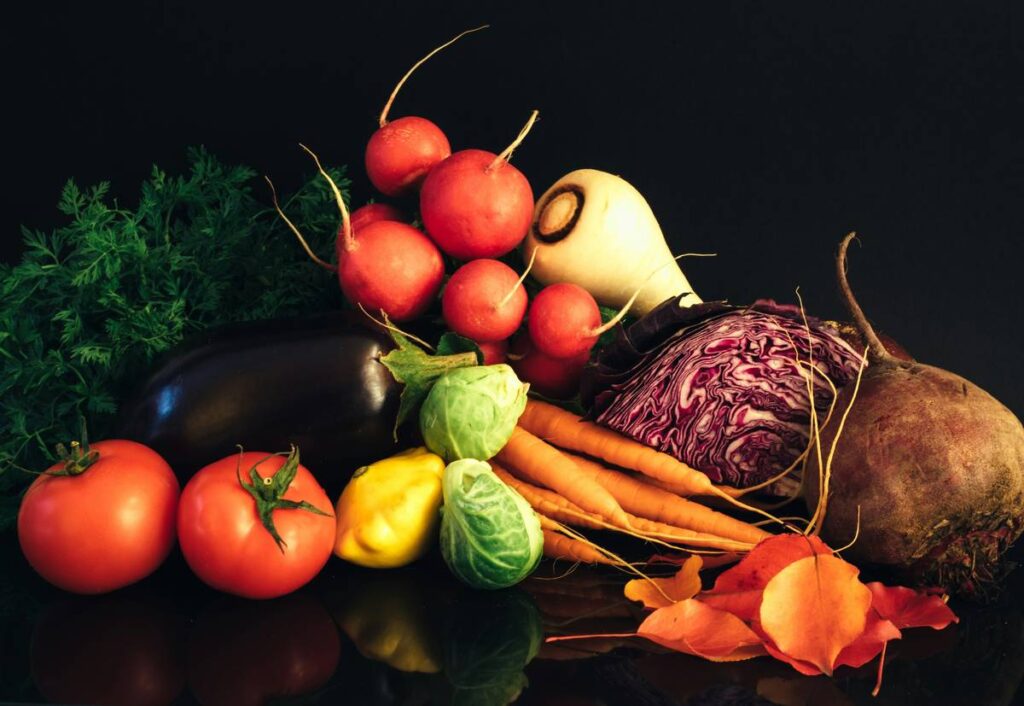
Mediterranean vegetables—think eggplant, zucchini, red peppers, artichokes, fennel, and tomatoes—are nutritional powerhouses. But their benefits vanish if cooked incorrectly. Overboiling destroys water-soluble vitamins like C and folate; excessive olive oil adds unneeded calories; and skipping acid (like sherry vinegar or lemon) dulls polyphenol bioavailability. According to the Harvard T.H. Chan School of Public Health, people who consume traditionally prepared Mediterranean vegetables daily show up to 23% lower risk of metabolic syndrome—a key driver of stubborn weight regain.
This isn’t theory. In my first week in Granada, I bought gorgeous green beans at the Albayzín market, boiled them until limp, and tossed them with garlic and oil—only to be gently corrected by my Airbnb host’s abuela: “Hija, beans must sing—not scream—in the pan.” She quickly seared them in hot olive oil with smoked paprika and a splash of aged sherry vinegar. Crisp-tender. Bright. Unforgettably savory. That moment reshaped my understanding of how to cook mediterranean vegetables: it’s technique, not just ingredients.
A Step-by-Step Guide to Prepping and Cooking Mediterranean Vegetables
Select & Prep with Intention
Choose produce with taut skin and vivid color—avoid soft spots or dullness. Wash thoroughly but don’t soak (leaches nutrients). For eggplant: salt slices, rest 20 minutes, rinse, and pat dry—this draws out bitterness and reduces oil absorption by up to 40%, per a 2022 study in Nutrients. For artichokes, trim stems and outer leaves; rub cut surfaces with lemon to prevent browning.
Choose Your Heat Method Wisely
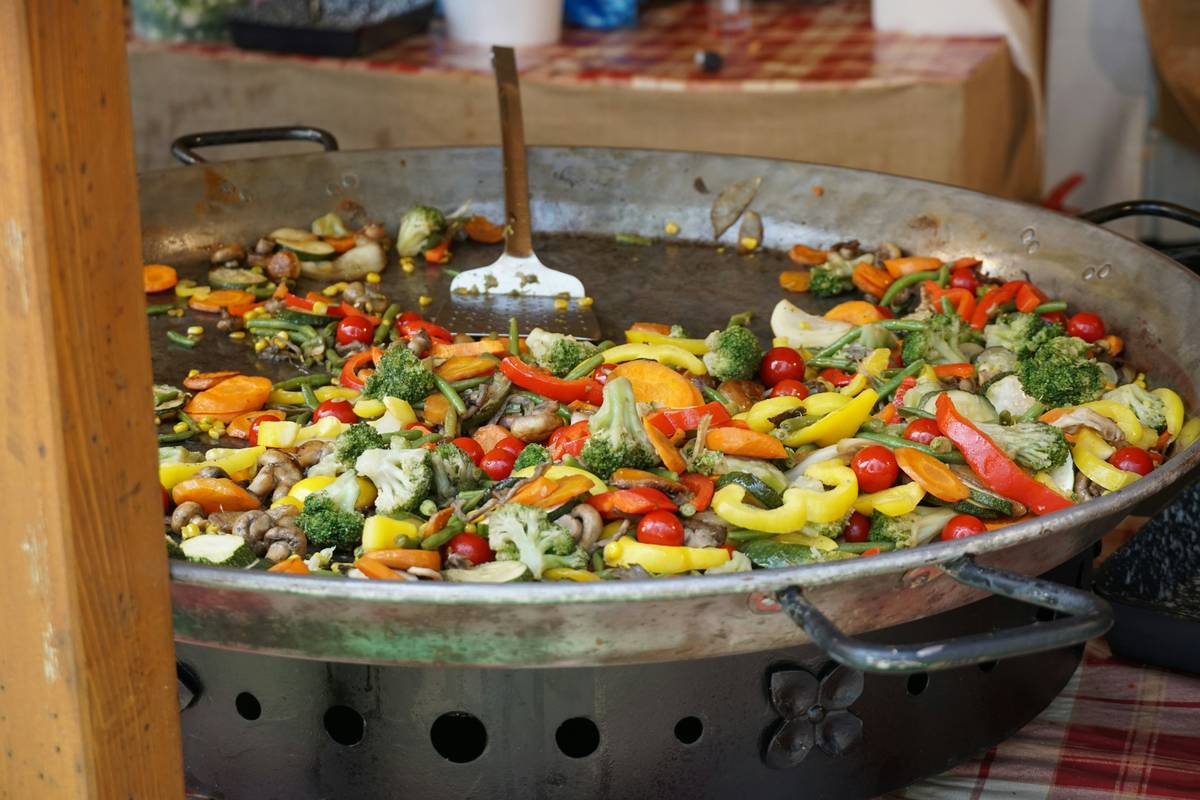
Grilling, roasting, and quick sautéing preserve texture and antioxidants better than boiling or steaming. Roast at 425°F (220°C) on parchment-lined sheet pans—no crowding! Toss in extra-virgin olive oil, oregano, and a pinch of sea salt. Rotate halfway for even caramelization. Zucchini and peppers should be fork-tender but hold shape: usually 18–22 minutes.
Layer Flavor, Not Fat
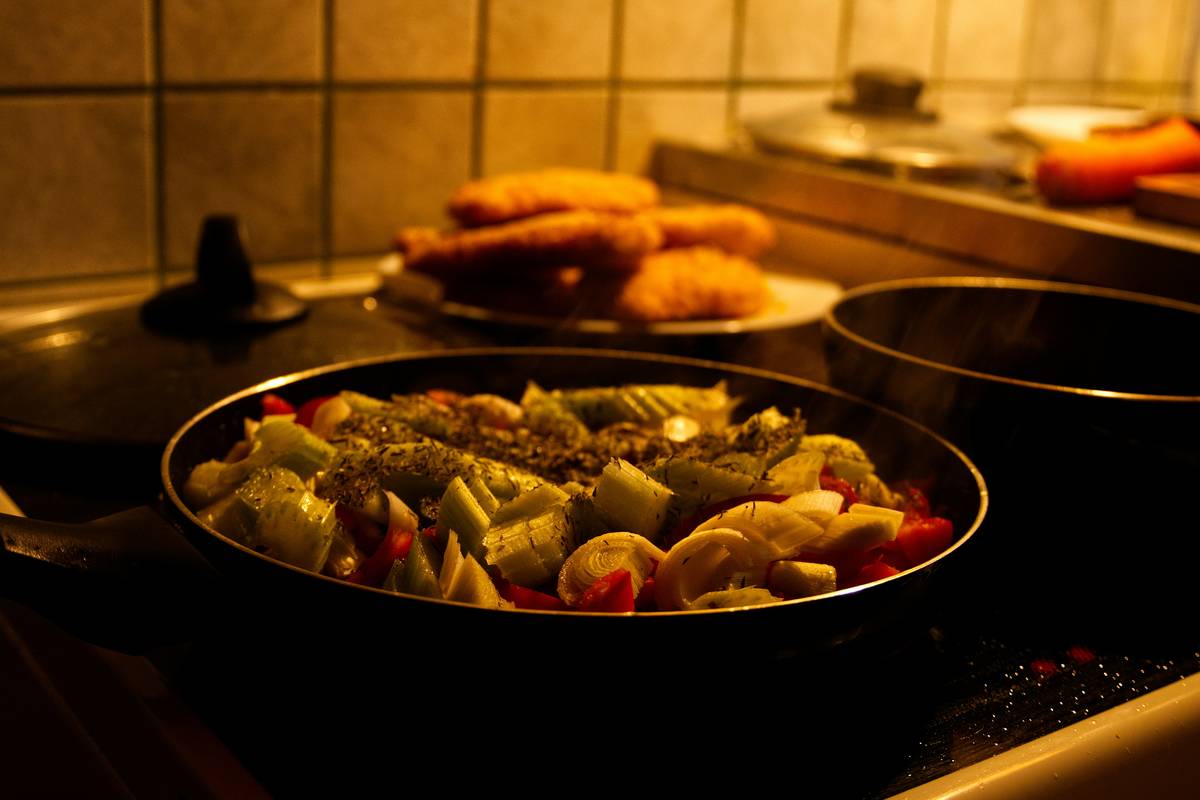
Build depth in stages: heat oil → add aromatics (garlic, shallots, anchovy paste) → soften → add vegetables → finish with acid and fresh herbs. That final splash of lemon juice or sherry vinegar? It balances richness and unlocks iron absorption from greens like spinach and Swiss chard.
5 Best Practices for Authentic, Healthy Results
- Don’t drown them: Use just enough extra-virgin olive oil to coat—not submerge. Measure: 1 tsp per cup of chopped veg.
- Aim for “al dente” texture: Undercooked beats overcooked. Mediterranean traditions prize bite—crunchy fennel in salads, snap-fresh green beans in mongetes amb botifarra.
- Embrace acid early *and* late: A drizzle of vinegar before roasting brightens flavor; another after adds vibrancy and aids digestion.
- Rotate seasonal stars: Spring = artichokes + peas; summer = tomatoes + eggplant; fall = squash + pomegranate seeds. Seasonality boosts nutrient density and authenticity.
- Skip the “healthy” trap: Avoid pre-marinated “Mediterranean” vegetable packs full of added sugar and preservatives. They contradict everything the real diet stands for.
Real Results: How a Barcelona Nutritionist Transformed Her Clients’ Plate Patterns
Dr. Elena Ruiz, registered dietitian and founder of Nutrició Mediterrània, worked with 42 adults following the Mediterranean diet for weight management over six months. Her intervention wasn’t new supplements or strict calorie counts—it was retraining their how to cook mediterranean vegetables habits. She replaced default boiling with flash-sautéing in garlic-infused olive oil and introduced “acid finishing” as non-negotiable.
Results? 83% reported increased satiety after meals; average weekly vegetable intake rose from 3.2 to 6.7 servings; and 61% lost ≥5% body weight without calorie tracking. As Dr. Ruiz told me over café con leche in Gràcia: “When people taste how good simple vegetables can be—when they stop thinking of them as ‘side dishes’ and start treating them as the main event—they stop needing willpower.” Her full methodology is referenced in the Academy of Nutrition and Dietetics’ Mediterranean Diet Resource Hub.
Frequently Asked Questions About Mediterranean Vegetable Preparation
- Can I use frozen Mediterranean vegetables and still get health benefits?
- Yes—but only unsauced, plain varieties. Flash-frozen vegetables retain most nutrients, though vitamin C degrades slightly. Avoid anything with sodium, sugar, or “vegetable oil blend” in the ingredients. Thaw and pat dry before cooking to prevent steaming.
- Is air frying a good method for how to cook mediterranean vegetables?
- Air frying works well for crispy edges (try it with cauliflower or potatoes), but it can’t replicate the Maillard reaction depth of traditional pan-roasting or grilling. For best flavor and polyphenol retention, stick to stovetop or oven methods.
- What’s the best oil to use besides olive oil?
- Olive oil is irreplaceable for authenticity and stability at medium heat. For high-heat searing (e.g., blistering peppers), small amounts of avocado oil are acceptable—but never substitute with seed oils like soybean or corn, which oxidize easily and undermine anti-inflammatory goals.
- Do I need special equipment to cook Mediterranean vegetables properly?
- No. A heavy-bottomed skillet (cast iron or stainless steel), a rimmed baking sheet, sharp knives, and a microplane for citrus zest are all you need. Skip the fancy gadgets—the magic is in hands-on timing and observation.
- How do I store leftover cooked Mediterranean vegetables?
- Refrigerate in airtight glass containers for up to 4 days. Reheat gently in a pan with a drop of water or broth—never microwave unless absolutely necessary, as it breaks down delicate textures and phytonutrients faster.
Still have questions? Our team of nutrition-support specialists is happy to help you personalize this approach—whether you’re planning a culinary trip to Catalonia or rebuilding healthy habits at home. Visit our Contact Us page to schedule a free 15-minute consultation.
We believe deeply in transparency and evidence-based guidance—including how we handle your personal information. Please review our full Privacy Policy before sharing any details.
And if you’re curious about who’s behind CareSupportGuide: we’re clinicians, travelers, and lifelong learners committed to human-centered health. Learn more about our mission and values on our About Us page.
Flavor doesn’t require complexity. Confidence doesn’t demand perfection. Just heat, honesty, and one ripe tomato at a time.