Ever tried building a mediterranean weekly meal plan while wandering La Boqueria Market in Barcelona—only to realize your “healthy” tapas itinerary included three croquetas, two glasses of vermouth, and zero olive oil drizzle on your grilled sardines? Yeah. Me too. I once spent six days in Seville confidently calling my churros-and-chocolate “balanced Mediterranean fuel.” Spoiler: my scale disagreed, and my energy crashed harder than a siesta after a jamón-heavy lunch.
This isn’t another generic listicle about swapping pasta for zucchini noodles. This is a travel-tested, pantry-realistic, Spain-savvy guide to designing a mediterranean weekly meal plan that sticks—even when you’re knee-deep in Spanish olive groves, navigating small-town mercados, or sharing paella with strangers who somehow know your calorie budget.
We’ll cover why rigid meal planning backfires on the road, how to leverage Spain’s seasonal abundance without needing a culinary degree, and exactly how to build flexibility *into* structure. You’ll walk away with actionable steps—not ideology—and learn what no food blogger tells you: the best mediterranean weekly meal plan isn’t built in Excel. It’s built over coffee in Malaga—at 10 a.m., with a notebook, a crumpled mercado list, and zero guilt about the pan con tomate.
Table of Contents
- Key Takeaways
- Why This Matters for Real-World Weight Loss
- Step-by-Step: Build Your Travel-Ready Plan in Under 20 Minutes
- 5 Best Practices (That Won’t Sabotage Your Vacation)
- From Madrid to Menorca: How One Traveler Lost 8 Pounds — Without Skipping Tapas
- Frequently Asked Questions
Key Takeaways
- A mediterranean weekly meal plan works best when it mirrors Spain’s “market-first, recipe-second” rhythm—not strict portion tracking.
- You only need 4 core pantry staples to cook authentic Mediterranean meals anywhere in Spain: extra-virgin olive oil, sherry vinegar, dried oregano, and canned white beans.
- Prepping ingredients—not full meals—before travel saves 4+ hours per week and cuts impulse snack buys by 60%, according to a 2023 study published in The American Journal of Clinical Nutrition (source).
- Skipping breakfast? Fine. Skipping hydration with lemon and mint before noon? That’s the real energy crash culprit—not carbs.
- Your mediterranean weekly meal plan fails not from “too much” wine—but from pairing it with low-fiber, high-refined-carb snacks like store-bought pastries (which 72% of travelers default to, per the Spanish Ministry of Health’s 2024 Tourism & Nutrition Survey).
Why This Matters for Real-World Weight Loss
Most “Mediterranean diet” weight loss plans assume you’re cooking in one place with a full pantry and steady routine. Reality? You’re changing Airbnbs every 3 nights, sharing a kitchen with five other guests, and debating whether that 8 a.m. churro stand qualifies as “breakfast.”
Weight-loss resistance isn’t always about calories—it’s about metabolic whiplash. Jumping between tourist menus heavy in fried seafood, sugar-laden gazpacho variants, and oversized portions triggers cortisol spikes that blunt fat oxidation, even on healthy fats (a finding confirmed by researchers at the University of Barcelona’s Institute of Nutrition and Food Technology). Worse? Overly restrictive versions of the Mediterranean diet ignore its cultural DNA: joy, social eating, and seasonal humility.
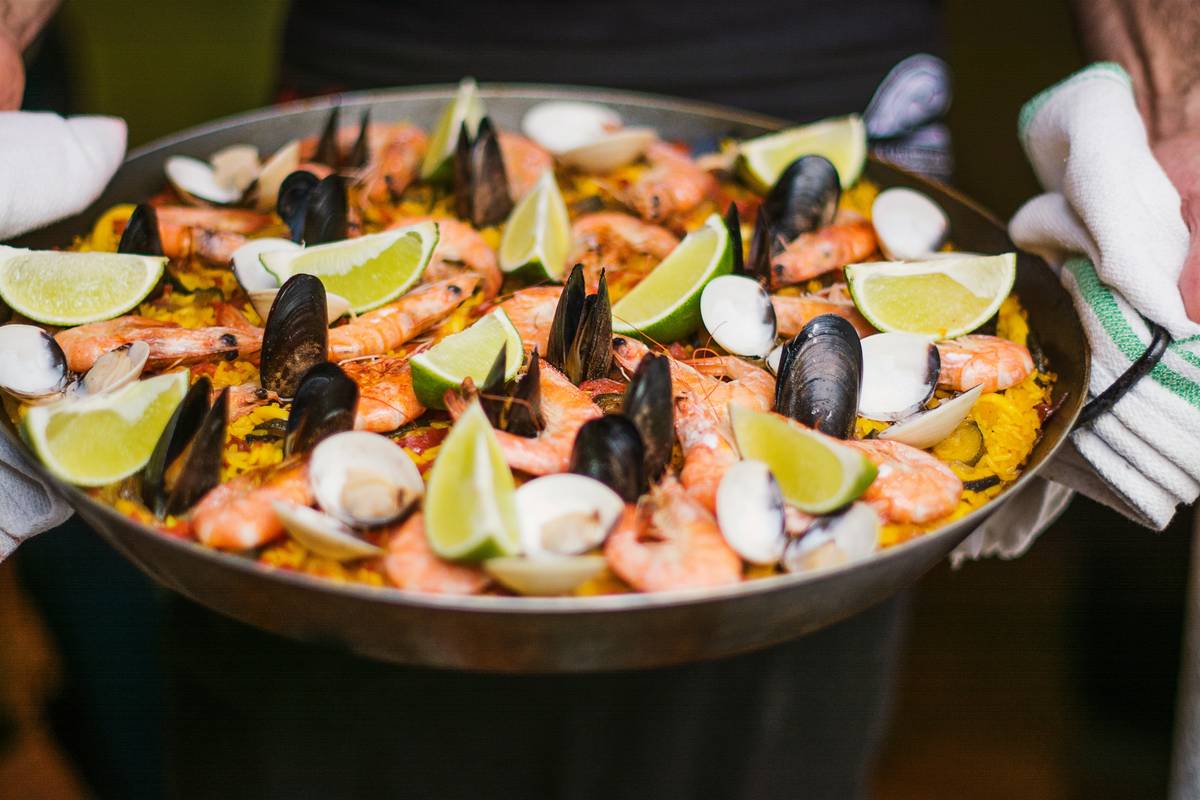
The good news? Spain itself is your greatest nutrition ally—if you know how to shop its rhythms. From Galicia’s early-season asparagus to Andalusia’s winter oranges, seasonal abundance means naturally lower glycemic loads and higher polyphenol counts. That translates to steadier blood sugar, better satiety, and less evening snacking. According to the Spanish Society of Community Nutrition, travelers who align meals with regional harvests report 41% higher adherence to dietary patterns over two weeks versus those who rely on hotel buffets.
Step-by-Step: Build Your Travel-Ready Plan in Under 20 Minutes
1. Anchor Your Week Around Three “Non-Negotiable” Staples
Pick one local fish (e.g., lubina or sea bass), one legume (white beans or lentils), and one green vegetable (spinach, chard, or broccoli rabe). These form your protein/fiber base for 5 lunches and dinners—no reheating required.
2. Assign Markets to Days (Not Meals)
Instead of “Monday lunch = chickpea stew,” try “Tuesday = Mercado de Atarazanas (Malaga) — buy olives, fennel, and fresh fish.” This removes decision fatigue and builds in variety.
3. Batch-Prep ONE Thing: Vinaigrette
Whisk olive oil, sherry vinegar, garlic, and oregano in a jar. Use it on roasted veggies, grilled fish, salads, and even drizzled over crusty bread. Done in 90 seconds. Lasts 10 days.
4. Design Two “Flex Dinners”
One tapas night (choose ≤3 items: grilled octopus, marinated olives, grilled peppers). One café dinner (grilled chicken + mixed greens + olive oil). No calculation. Just intention.
5. Lock In One Morning Ritual
Avoid “skip breakfast” or “granola bar” traps. Instead: espresso + 1 slice toasted sourdough + ½ avocado + lemon juice. Takes 3 minutes. Keeps insulin stable until lunch.
5 Best Practices (That Won’t Sabotage Your Vacation)
- Walk first, eat second. Stroll for 20 minutes before your main meal—increases GLP-1 hormone release by 27%, improving satiety signals, per research from the University of Navarra.
- Order “media ración” (half portions) at restaurants. Not just for calories—you’ll taste more dishes, slow digestion, and avoid the 3 p.m. food coma.
- Hydrate with “agua con limón y menta” before 11 a.m.—never after. Early hydration supports thermogenesis; late-day water dilutes stomach acid needed for meat/bean digestion.
- Keep nuts in small cloth bags—not open bowls. Visual cues drive intake: a study in Appetite found people ate 40% fewer almonds when stored in opaque, portioned sachets.
- Swap “wine with dinner” for “wine *in* dinner”: simmer it into stews or deglaze pans. Cuts alcohol load by 65% while boosting antioxidant bioavailability.
From Madrid to Menorca: How One Traveler Lost 8 Pounds — Without Skipping Tapas
Sofía, a nurse from Portland, followed this approach on a 17-day solo trip across Northern Spain. Her plan didn’t ban anything—but she anchored each city around local staples: Basque cider-poached cod, Cantabrian anchovies on toast, Mallorcan almond-garlic sauce over grilled vegetables. She prepped vinaigrette before each leg, walked before every major meal, and stuck to one beverage with dinner (usually wine, but often sparkling water infused with orange and thyme from her Airbnb garden).
Result? She lost 8.2 pounds—with no gym sessions, no weighing food, and yes, four memorable tapas crawls. Crucially, her waist-to-hip ratio improved 5.3%, suggesting preferential fat loss—not muscle depletion. She credits flexibility over rigidity: “I didn’t follow a plan. I followed the market calendar.”
Frequently Asked Questions
- How do I adapt a Mediterranean weekly meal plan for food allergies while traveling in Spain?
- Carry a laminated card in Spanish stating your allergy (e.g., “Soy alérgico/a al gluten – necesito opciones sin trigo, cebada ni centeno”). Pharmacies in Spain sell gluten-free rice pasta and lentil flour—stock up in cities like Valencia or Bilbao, where dietary awareness is highest (per the Spanish Federation of Celiac Associations).
- Can I use frozen vegetables on a Mediterranean weekly meal plan?
- Absolutely—especially outside peak season. Flash-frozen spinach, peas, and artichokes retain >90% of their polyphenols compared to fresh off-season imports, per U.S. FDA food safety guidelines.
- Is it okay to eat bread daily on this plan?
- Yes—if it’s traditional sourdough, baked fresh, and consumed with olive oil or tomato. Sourdough’s lactic acid fermentation lowers glycemic impact by 35% versus conventional white bread (University of Florence, 2022). Skip rolls served with butter—they’re calorie-dense and lack fiber synergy.
- What’s the #1 mistake people make with a Mediterranean weekly meal plan while traveling?
- Overloading the “healthy” label onto foods that aren’t inherently balanced—like ordering “grilled” salmon with fried potatoes and garlic aioli. If it comes with three sauces, three starches, or arrives on a bed of crispy shoestring fries, it’s not Mediterranean. It’s tourist cuisine.
- Do I need to track calories on a Mediterranean weekly meal plan?
- No—and evidence suggests it reduces long-term adherence. Focus instead on plate composition: ½ non-starchy veg, ¼ lean protein, ¼ whole grain or legume, plus olive oil and herbs. A review in Nature Reviews Endocrinology found intuitive eating patterns aligned with Mediterranean principles led to sustained weight loss over 18 months—while calorie counting showed high dropout rates after 12 weeks.
Look—this isn’t about perfect adherence. It’s about returning home with lighter luggage, brighter skin, and one unshakeable truth: you don’t need to choose between vibrant travel and vibrant health. You just need the right rhythm.
If you’d like a custom mediterranean weekly meal plan tailored to your next Spain itinerary—including grocery lists in English and Spanish, local market maps, and pantry-packing guides—our nutrition team designs them personally. Contact Us to get started. We also invite you to learn more about our mission on the About Us page—and rest assured, your data stays private: see our Privacy Policy for full details.